
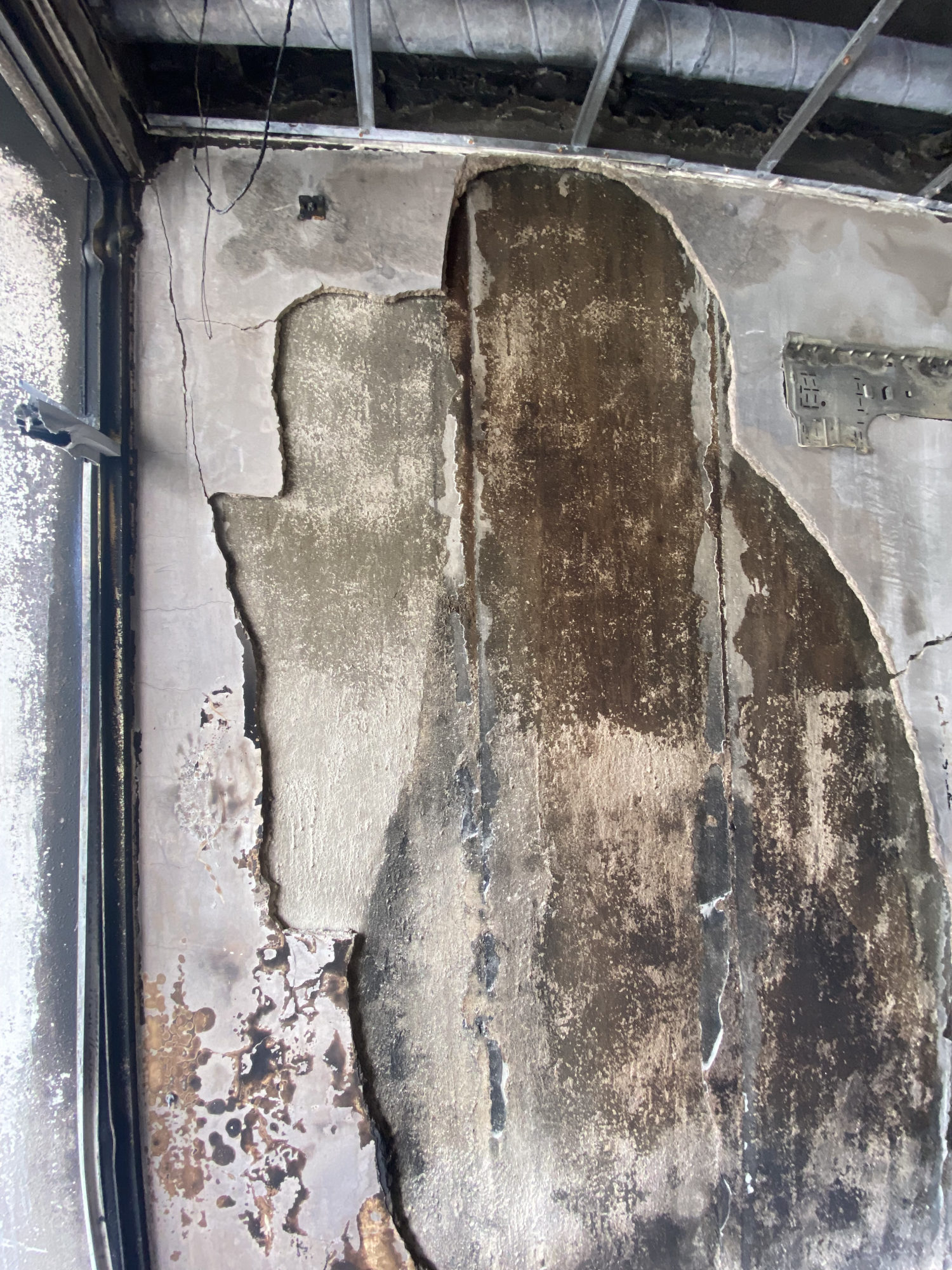
The water is gone. The floor looks dry. You've run a fan for two days and the surface feels fine. But mold doesn't care what the surface looks like, it grows in the gaps you can't see: behind skirtings, inside wall cavities, under vinyl flooring, above false ceilings. In Singapore's humidity, colonies can establish within 24 to 48 hours of a water event.
Most homeowners only discover hidden mold weeks later, when a musty smell won't go away or a patch of discoloration appears on a wall they thought was clean. By then, the colony has had time to root into the plaster or substrate and spread laterally. Catching it early, before it reaches that stage, makes the difference between a contained remediation job and a much larger one.
This guide walks you through a methodical DIY walkthrough for inspecting your home after a leak, pipe burst, or monsoon-season flood. It tells you what to look for, where mold hides most often in Singapore homes, and which signs mean you need a professional mold inspection rather than a second look with a torch.
Why this matters: Mold that grows unseen behind walls and under floors after a water event can spread for weeks before it becomes visible, and the longer it has to establish, the harder and more costly it is to remove.
Highlights
- Singapore's humidity means mold can begin growing within 24–48 hours of a water event, often in spaces you can't see.
- A DIY walkthrough covers visible stains, smell, soft surfaces, and condensation, but it cannot detect mold inside wall cavities, under screeding, or above false ceilings.
- Professional mold inspection uses moisture meters, thermal imaging, and air sampling to find colonies a walkthrough misses.
- If inspecting reveals warning signs, mold removal and remediation removes the colony at the source, not just the surface.
- An indoor air quality (IAQ) test can confirm whether spores are elevated in the air, not just on surfaces.
Where mold hides after a Singapore water event
Three features of Singapore homes make post-leak mold harder to find than in less humid climates. Sealed, air-conditioned spaces slow evaporation, so moisture trapped inside a wall cavity or under flooring stays wet longer. The year-round heat accelerates mold growth once the spores land on a damp surface. And common construction materials, plaster, plasterboard, timber door frames, and MDF cabinetry, are all porous and give mold something to root into.
The locations that consistently harbor hidden mold after a water event:
- Behind furniture pushed against external or wet walls. A wardrobe or cabinet against an external wall traps moisture and blocks airflow. Pull furniture out and inspect the wall face and the back panel of the piece itself.
- Behind and under kitchen and bathroom cabinetry. Leaks from supply pipes or waste connections often track behind the cabinet base before they become visible. Press on the bottom shelf and check for softness.
- Under vinyl, parquet, and laminate flooring. Water gets under joins and stays. Tap sections of flooring; a hollow sound where it was solid before suggests moisture underneath.
- Inside false ceilings. A leak from the unit above pools above the false ceiling board. The board may look intact while the top face is sodden and molding.
- In wall cavities around penetrations. Pipes that run through walls, air-con pipe sleeves, and electrical conduit penetrations are all common water-entry points that wet the inside of the cavity without showing on the face.
- Around and behind skirting boards. Skirtings trap moisture against the base of the wall. If they feel soft when pressed or show a tide line, check behind them.
- Inside air-con drainage trays and fan-coil units. A blocked condensate drain or a flood event can soak the insulation inside the air-con unit and seed mold that then circulates through the room.
The five things to check on your walkthrough
When inspecting for mold after a water event, work room by room and check these five things:
- Visual staining. Look for dark spots (black, grey, brown, or greenish), tide lines showing how high the water reached, and any paint that is bubbling or peeling. Mold often looks like irregular speckling rather than a solid patch in early stages.
- Smell. A persistent musty or earthy smell in a room or from a particular wall is one of the most reliable early indicators of mold growing out of sight. If the smell is stronger when the air-con runs, the unit itself may be the source.
- Surface texture. Press gently on wall surfaces near where the water came from. Plaster that has gone soft, powdery, or that gives slightly under pressure has absorbed moisture and is a high-risk area. Check skirtings and door frames the same way.
- Condensation patterns. After a flood, damp areas inside walls show up as cold patches on the surface, especially in the morning. A persistent cold or damp-feeling section of wall, even when the rest is dry, suggests moisture trapped inside.
- Flooring movement. Walk slowly across affected areas and feel for boards that flex, lift slightly at the edges, or sound different under foot. Moisture under flooring is extremely common after floods and almost never fully visible from the surface.
What a DIY walkthrough can and cannot find
A careful visual and olfactory inspection, what the NIOSH Dampness and Mold Assessment Tool describes as observational assessment, is a legitimate and effective first step for evaluating dampness and mold after a water event. It can turn up staining, softness, smell, and surface discoloration that make the scope of the problem visible.
But it has a hard limit: it only finds what you can see, touch, and smell from the accessible surface. It cannot tell you what is happening inside a wall cavity, under screeding, or above a false ceiling. It cannot measure whether the moisture content of a wall is high enough to sustain mold growth, and it cannot detect a colony that is established but not yet large enough to smell or stain through.
Professional mold inspection fills that gap with tools and methods a homeowner cannot replicate:
|
What needs to be assessed |
DIY walkthrough |
Professional inspection |
|---|---|---|
|
Visible surface staining and discoloration |
Yes |
Yes |
|
Musty odor and surface texture |
Yes |
Yes |
|
Moisture content inside walls and floors |
No |
Yes, using calibrated moisture meters |
|
Hidden colonies behind cavities and ceilings |
No |
Yes, using thermal imaging |
|
Airborne spore levels in the room |
No |
Yes, via IAQ air sampling |
|
Full scope mapping for remediation planning |
No |
Yes |
The rule of thumb used by Harvard Health, that any affected area larger than about 10 square feet, or any major flood, warrants professional remediation, is a sound threshold for when to escalate beyond a DIY assessment.
When to call a professional mold inspector
Call a professional if your walkthrough turns up any of the following:
- You can smell mold but cannot find a visible source.
- Surface staining covers more than a small area, or it keeps returning after wiping.
- Wall plaster or skirtings feel soft or have gone powdery near the water-affected zone.
- The leak or flood affected more than one room, a false ceiling, or a wall cavity.
- The water event was more than 48–72 hours ago and the space was not fully dried out within that window.
- You have had previous mold problems in the same location and this is another water event on top of them.
A professional mold inspection maps the full scope of the problem before remediation begins. That matters because treating a surface you can see, while leaving a colony in the cavity behind it, just resets the clock. You see it come back in the same spot, seemingly for no reason, a few weeks later.
What happens after the inspection
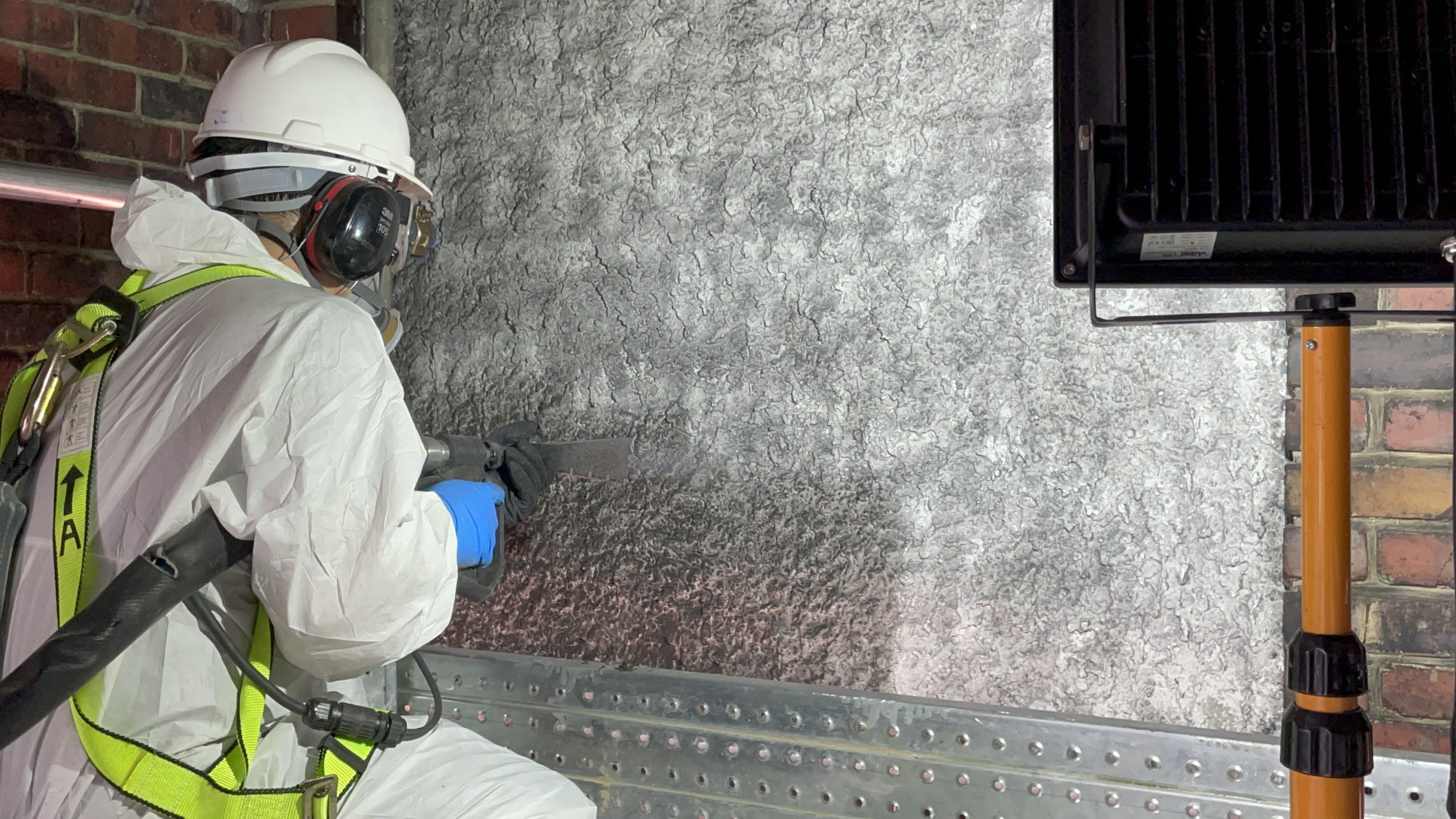
If the inspection confirms active mold growth, the next step is remediation, not wiping, not bleaching, but removing the colony at the source. Bleach is mostly water. Applied to a porous surface like plaster or plasterboard, it lifts the surface stain while the water component feeds the roots deeper in the material. The wall looks clean for a week and then the mold returns.
Professional mold removal and remediation contains the affected area first, then removes the mold at the molecular level, and identifies the moisture source that fed it, because mold that keeps coming back is almost always a moisture problem that was never fixed. You can read more about why mold keeps returning and what remediation actually addresses in our guides.
Where the scope is uncertain or the water event was significant, an indoor air quality test run before and after remediation gives you a measurable before-and-after: spore counts in the air rather than a visual assessment of the surface. It is the only way to be confident that the room's air is clear, not just the wall.
After remediation, our technicians can apply BioProtect, the BIOPROTECTUs™ System antimicrobial surface coating, EPA-registered, NSF-D2, with zero triclosan or heavy metals, which bonds to the treated surface and keeps self-disinfecting for up to 90 days. It is not a substitute for fixing the moisture source, but it does add a layer of protection while the building dries out and stabilizes after a major water event.
Our technicians are accredited by the RIA, IAQA, IICRC, and bizSafe3, and work in-house, we never sub-contract. Same-day and 24/7 emergency response is available for situations where a water event is recent and the window for preventing mold establishment is still open.
Frequently asked questions
How quickly does mold start growing after a flood or leak?
In Singapore's climate, mold can begin to establish within 24 to 48 hours of a water event, particularly in sealed, air-conditioned spaces where moisture evaporates slowly. That window is why drying out promptly after a leak matters, and why inspecting for mold within the first few days, rather than weeks later when staining appears, gives you the best chance of catching it early.
Can I inspect for mold myself, or do I need a professional?
A careful DIY walkthrough is a useful first step. You can check for visible staining, musty smells, soft plaster, and flooring movement. But a walkthrough only covers what you can see and smell from the surface. It cannot detect moisture inside wall cavities, colonies hidden above false ceilings, or elevated spore levels in the air. A professional mold inspection uses moisture meters, thermal imaging, and air sampling to find what a walkthrough misses.
Will bleach kill mold after a flood?
Bleach removes surface staining on non-porous materials like tiles, but it does not reach mold roots inside porous materials like plaster, plasterboard, or timber. The water in bleach can also feed regrowth in porous substrates. On common Singapore wall and flooring materials, bleach typically makes the surface look clean for a short period before the mold returns from the roots still in the material.
Is mold inspecting necessary if I can already see mold on the wall?
Yes, and for a specific reason: visible surface mold after a water event is usually a sign that the colony has already established and possibly spread further than the patch you can see. A professional inspection scopes the full extent, including inside the wall, so that remediation removes all of it rather than just the visible layer. Treating only the visible patch while leaving the rest in the cavity is the most common reason mold returns in the same spot.
How do I know if mold from the flood is affecting the air quality in the room?
You often cannot tell from a visual check alone. An IAQ air sampling test measures the spore count in the room air directly, so you get an objective reading rather than a judgment based on smell or appearance. We run IAQ tests before and after remediation so the change is measured, not assumed.