
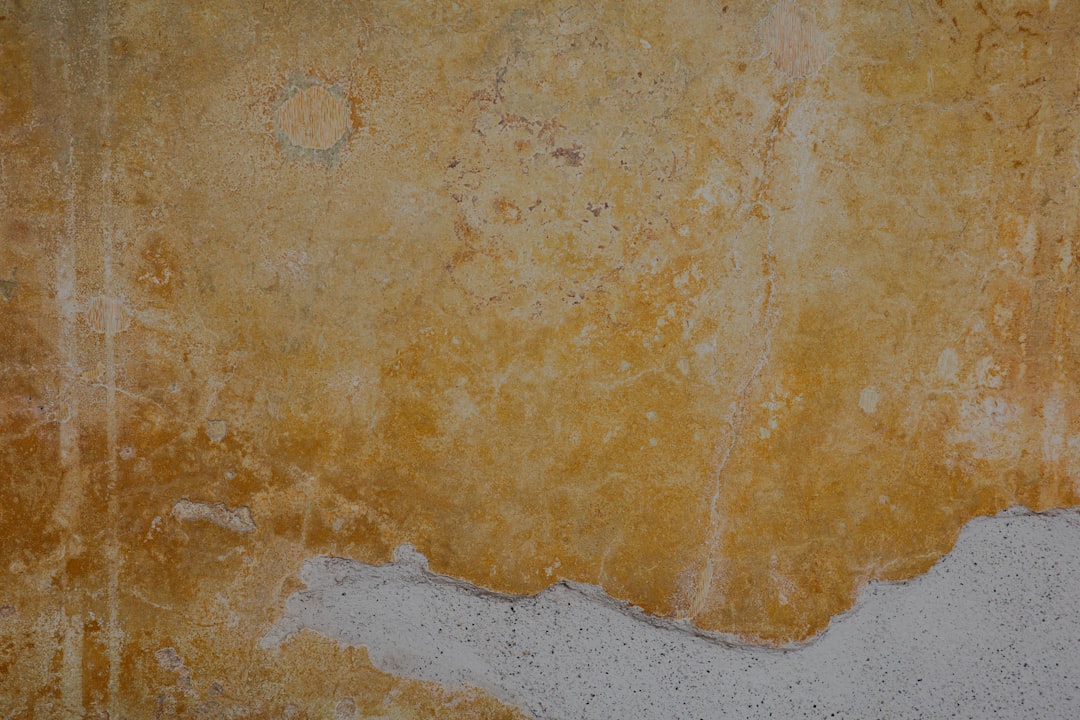
The flood has dried up. You ran fans for two days, wiped every surface, and opened every window. And yet the smell is still there, that thick, sour, damp odor that seems to have settled into the walls.
This is one of the most common calls we get after Singapore's monsoon rains, a burst pipe, or an aircon pan that overflowed quietly behind a cabinet for weeks. The water recedes, but the odor stays. In some cases it gets stronger a few days later, once the humidity closes back in.
That pattern is not bad luck. It is a sign that the source of the smell was never removed, only covered up, or temporarily diluted.
Why this matters: After water damage, the odor is not just unpleasant, it signals active biological and chemical processes still happening inside your walls, floors and soft furnishings, and those will not stop until the source is treated.
Highlights
- Post-flood and post-leak odors in Singapore typically come from bacterial activity, mold growth, and volatile organic compounds (VOCs) released by wet building materials.
- Airing out and surface wiping only dilute the smell temporarily, they do not remove it at the source.
- Big Red's foul odor treatment identifies the odor source and treats it using molecular-level decontamination, not just masking agents.
- Where mold has taken hold, odor treatment is paired with mold removal and remediation to address both problems together.
- An indoor air quality (IAQ) test can confirm what is in the air after water damage, including mold spores and VOCs, before and after treatment.
Why the smell does not go away on its own
When water gets into a building, whether through flooding, a pipe leak, or an aircon drip, it soaks into porous materials: plasterboard, timber framing, flooring underlays, ceiling tiles, soft furnishings. The surface may dry out within a day or two. What is inside those materials takes much longer, and in Singapore's year-round humidity it may never dry out fully without mechanical drying.
Wet organic material is food for bacteria and mold. Both produce gases as they break down the material they colonize, and those gases are what you smell. The musty, earthy or sour character of post-water-damage odor is typically a mixture of microbial volatile organic compounds (MVOCs), the byproducts of active mold colonies, and hydrogen sulfide and ammonia from bacterial decomposition.
The materials that hold odor longest
Not all materials release water at the same rate or hold odor the same way. These are the ones we consistently find at the center of a persistent damp smell:
- Plasterboard and plaster walls, absorb water deeply and stay damp inside even when the surface feels dry to the touch
- Timber floor joists and skirting boards, especially in older HDB flats and landed homes, where timber substructure sits close to the ground
- Ceiling tiles and acoustic panels, common in commercial offices; they soak up water from leaks above and hold it
- Flooring underlays and carpet padding, compressed under flooring, they can stay wet for weeks
- Soft furnishings and fabric panels, sofas, curtains and partition fabrics absorb airborne moisture and mold spores
The problem is that none of these is reachable with a mop or a surface spray. So airing out the room dilutes the smell in the air, but the source keeps producing more.
What actually removes the odor
Effective foul odor treatment after water damage works in two stages: find the source, then treat it at the molecular level.
Finding the source
Odor is often displaced from where the water originally entered. A leak from a second-floor bathroom can travel along a joist cavity and produce a smell in a first-floor bedroom two rooms away. Identifying where the moisture actually is, not just where it was visible, requires thermal imaging and moisture meters, not a visual check.
We map the moisture before we treat. That step alone is why a professional assessment produces a different outcome from a DIY clean.
Treating at the molecular level
Once the source is located, the treatment has to do two things: break down the odor-causing compounds already present, and address the biological activity (bacteria, mold) that is producing them. Masking agents, air fresheners, ozone generators run briefly, scented foggers, suppress the smell temporarily but do nothing to the underlying cause. The odor returns within days.
Professional odor treatment uses agents that neutralize odor compounds chemically, combined with antimicrobial treatment of the affected surfaces and materials. Where soft furnishings or structural materials have absorbed the problem deeply, the treatment is applied to penetrate into the material, not just coat the surface.
Where mold has established itself alongside the odor, which is common after any water event that lasted more than 24–48 hours, mold removal and remediation is part of the same job. Treating the smell without treating the mold leaves the source intact.
When materials need to go
Honestly, not every odor problem can be solved in place. Plasterboard that has been wet for weeks, timber that has developed active rot, or carpet underlay that is saturated throughout, these may need to be cut out and replaced. Treating a material that is beyond recovery only delays the outcome and adds cost. We will tell you directly when that is the case, rather than sell you a treatment that will not hold.
IAQ testing: knowing what is in the air after water damage
After a significant flood or a slow leak that went undetected for some time, the air inside the affected space may carry elevated mold spore counts and VOCs even after the surfaces look clean and the smell has reduced. An indoor air quality (IAQ) test samples the air and gives you a baseline reading, what is actually measurable in the air, not just what is detectable by smell.
This matters for two reasons. First, it tells you whether the treatment has worked: a second test after remediation shows whether spore counts have returned to normal. Second, it gives facility managers and homeowners documented evidence that the space has been cleared, which can be relevant for insurance claims, tenancy disputes or simply your own peace of mind.
|
Situation |
What IAQ testing measures |
Why it is useful |
|---|---|---|
|
After a flood or pipe burst |
Mold spore count, VOCs, formaldehyde |
Confirms whether the air has been cleared, not just the surfaces |
|
After slow leak detected late |
MVOCs, elevated humidity, mold spores |
Identifies whether mold is already airborne before visible growth appears |
|
Post-treatment verification |
Spore count and VOC levels against baseline |
Documents that treatment was effective |
What you can do yourself and when to call a professional
If you have a small, contained water event, a spilled plant pot, a single tile that got wet from a minor drip and dried within hours, ventilating well and drying the area thoroughly is often sufficient.
But if any of the following apply, professional treatment is the right call:
- The water affected a large area (more than a square metre of flooring or wall)
- The leak was slow and went unnoticed for more than 24 hours
- The smell persists more than three to four days after the area appears dry
- You can see or smell mold, or the smell has a distinctly musty or earthy character
- The affected area includes wall cavities, ceiling voids or subfloor spaces
Airing out and surface-wiping will not reach the source in any of these cases. In Singapore's humidity, the affected material stays damp inside long enough for mold and bacterial activity to establish, and once that happens the smell will not resolve on its own.
Frequently asked questions
Why does the smell come back a few days after I thought it was gone?
What typically happens is that airing out temporarily dilutes the odor compounds in the air, so the smell fades. But the wet material inside the wall, floor or ceiling keeps producing more microbial gases as mold and bacteria continue to break it down. When you close the windows or the humidity rises, the concentration builds back up. The source was never removed.
How long after a flood should I wait before calling for odor treatment?
Do not wait. The sooner the affected area is assessed and dried, the better the outcome. Mold can begin to establish within 24–48 hours on wet porous materials, and the longer bacterial activity continues inside the material, the deeper the odor compounds penetrate. Calling us immediately after a flood or leak gives you the best chance of treating in place without material replacement.
Can ozone treatment remove a post-flood smell permanently?
Ozone generators can neutralize odor compounds in the air and on surfaces temporarily, but they do not remove the biological source, the mold colony or the bacteria inside the wet material, and they do not dry the material. Once the ozone dissipates, the source continues to produce new odor compounds. Professional treatment that addresses the source directly produces a more durable result.
Is foul odor treatment safe in an occupied home or office?
The treatment agents we use are selected to be safe for reoccupancy after the appropriate dwell and ventilation period. Our technicians are RIA-, IAQA- and IICRC-accredited, and we will advise you clearly on when the space can be used again. For commercial spaces, we work around operating hours where possible.
What is the difference between masking an odor and removing it?
A masking agent, a fragrance spray, an air freshener, a brief ozone run, introduces a stronger scent to override the odor, or temporarily reduces the concentration of odor molecules in the air. It does nothing to the material producing the smell. Removal means breaking down the odor compounds chemically and eliminating the biological activity generating them, so the smell does not return once the masking effect fades.