
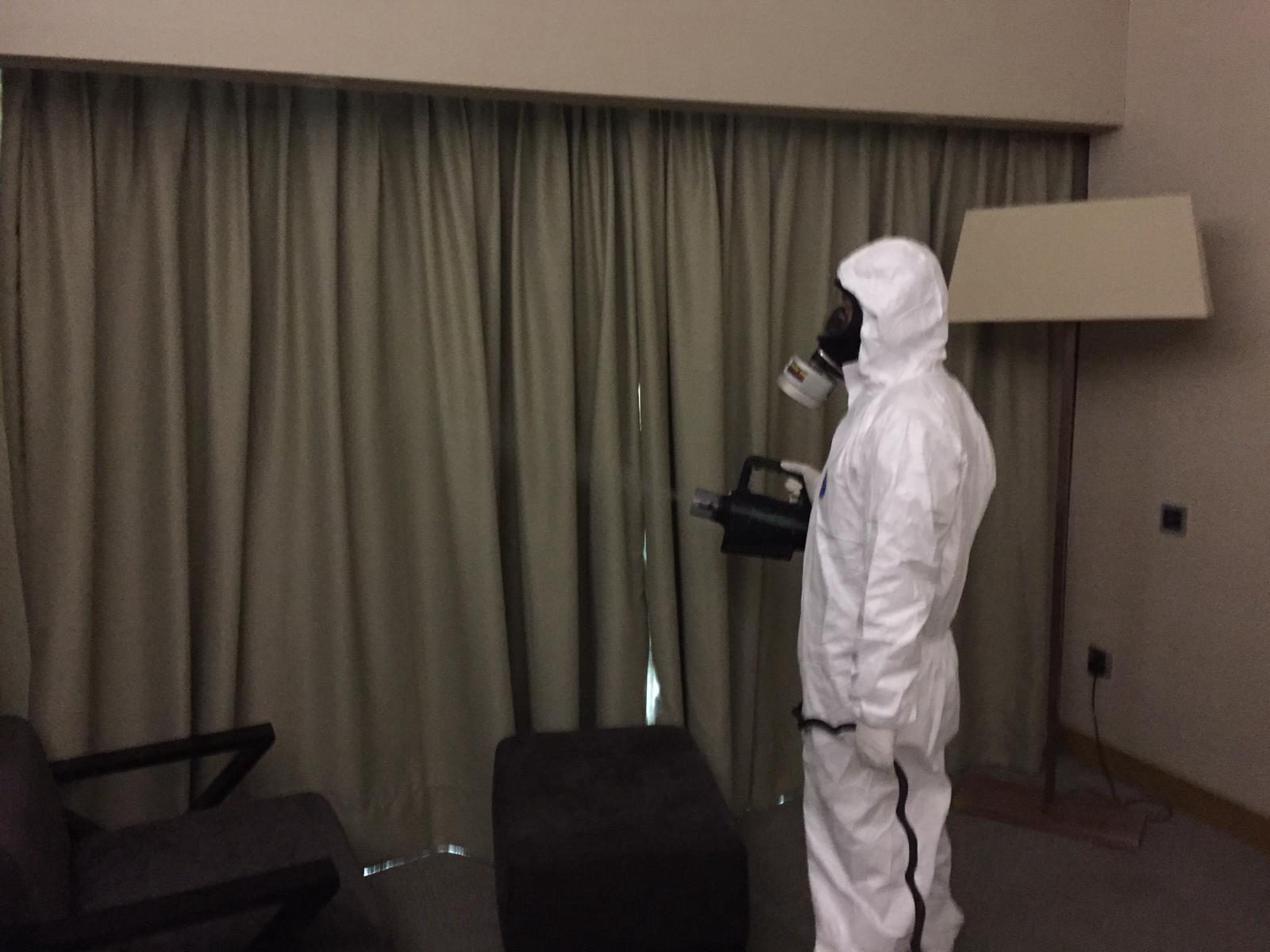
A pipe bursts overnight. By morning the ceiling is stained, the floor is damp, and the air in the room feels thick enough to wring out. Your first instinct is to dry the place out as fast as possible, and that instinct is right. But how you dry it, and what you do next, matters more than most homeowners realize.
Dehumidifiers are the standard answer. Rental companies offer heavy-duty units; hardware stores stock consumer models. Some restoration specialists use commercial-grade equipment like the Phoenix 200 Max, a high-capacity desiccant dehumidifier built for exactly this kind of water-damage job. But even the most capable drying equipment has hard limits. Understanding those limits is what keeps a manageable water event from turning into a mold problem buried inside your walls.
This is not a knock on dehumidifiers. It is an honest look at what they do, where they stop, and what comes next.
Why this matters: In Singapore's year-round humidity, a water-damage event that is not fully dried, structurally, not just on the surface, almost always results in mold growth inside walls and ceiling cavities within days.
Highlights
- High indoor humidity after a leak creates ideal conditions for mold to grow inside walls and ceiling cavities within 24–48 hours.
- A dehumidifier removes moisture from the air, but it cannot pull damp out of saturated concrete, plasterboard or timber framing.
- Commercial-grade units like the Phoenix 200 Max are more powerful than consumer models, but the same limits apply: drying the air is not the same as drying the structure.
- Professional mold inspection uses moisture meters and thermal imaging to confirm whether structural materials are genuinely dry.
- If mold has already taken hold, mold removal and remediation removes it at the source, a dehumidifier running alongside active mold growth only spreads spores through the air.
What a dehumidifier actually does
A dehumidifier pulls humid air across a cold coil (or, in a desiccant unit, across a moisture-absorbing wheel), extracts the water, and returns drier air to the room. It works on the air. That is its job, and it does it well.
In a post-leak drying scenario, lowering the relative humidity in a room slows the rate at which building materials absorb more moisture from the surrounding air. It also speeds evaporation from wet surfaces, flooring, skirting boards, the face of a plasterboard wall. The Phoenix 200 Max, used by professional restoration contractors, can remove a large volume of water vapor per day and is built to run continuously in demanding conditions. That kind of throughput matters in a serious water-damage event.
Where the physics runs out
Here is the problem: a dehumidifier dries the air in the room. It does not dry concrete. It does not pull moisture out of the inside of a wall cavity. It does not reach the timber framing behind your plasterboard, or the insulation behind your bathroom tiles.
Saturated structural materials dry from the outside in, and only if airflow can actually reach them. In a sealed wall or a ceiling void, that airflow does not exist without specialist drying equipment placed inside the cavity, and even then, a moisture meter is the only way to know when the material has reached a safe level.
Running a dehumidifier in a room with wet walls will reduce the humidity in that room. It will not tell you the walls are dry.
Singapore's humidity makes every water event more serious
In most climates, a building has some natural drying capacity: outdoor air is drier than indoor air after a flood event, and opening windows helps. Singapore's outdoor relative humidity regularly sits above 80%, sometimes above 90% during and after rain. Opening windows after a leak in Singapore often makes indoor humidity worse, not better.
That is the baseline. Add a water event on top of it, a burst pipe, an overflowing aircon condensate tray, a roof leak that has been dripping into the ceiling void for weeks, and the conditions for mold growth are almost immediate. Research from water-damage restoration professionals confirms that high indoor humidity often accompanies the kind of conditions that accelerate moisture damage; in Singapore's climate, there is rarely a dry season to provide any natural recovery window.
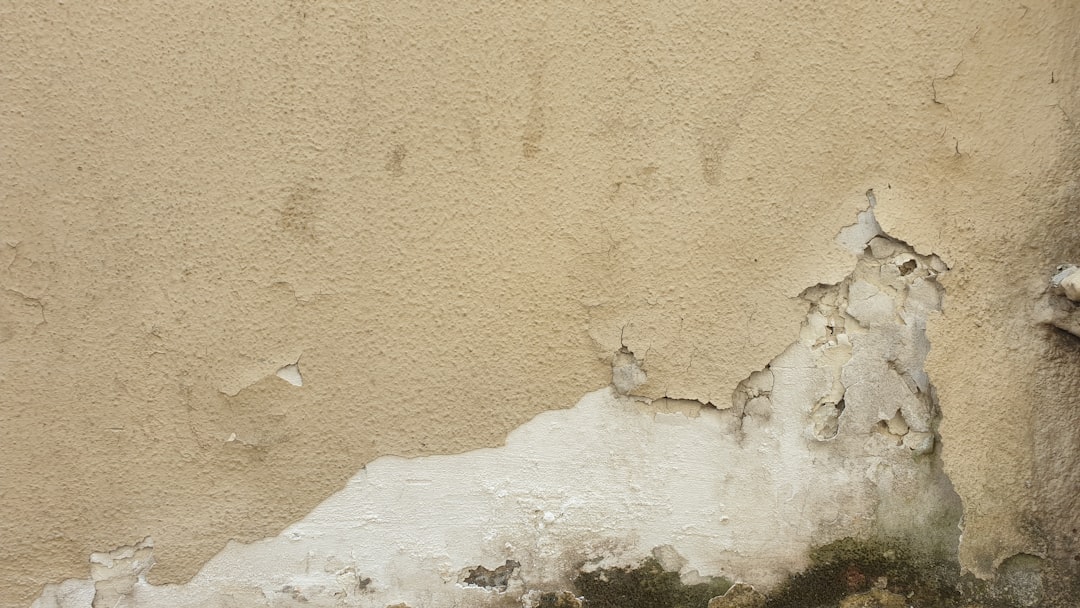
Mold can begin establishing in porous materials within 24–48 hours of a moisture event. The mold you can see on a wall surface is the fruiting layer. The roots are already inside the material.
Why the drying window is shorter than you think
Homeowners often believe they have a few days to deal with a water event before mold becomes a risk. In Singapore that window is shorter. A post-leak space with no active drying underway, in a sealed HDB flat or a condo with closed windows and aircon off, can reach conditions favorable to mold growth very quickly. The question is not whether to dry, it is whether drying the air alone is enough.
What a dehumidifier cannot do
This is where the honest accounting matters. A dehumidifier, including a commercial-grade unit like the Phoenix 200 Max, cannot:
- Kill mold already growing inside a wall. Running a dehumidifier in a room with active mold growth does not stop the mold. It may slow the spread by reducing the ambient humidity, but the colony in the wall is already established and will continue to grow as long as moisture is present at its root level.
- Measure whether structural materials are dry. The dehumidifier has no way to tell you whether the timber framing behind your shower wall has reached a safe moisture content. Only a calibrated moisture meter, used by a trained technician, gives you that reading.
- Detect hidden damp. Thermal imaging and moisture meters find damp that has migrated beyond the visible wet area, into an adjacent wall, under a floor screed, into a ceiling void. A dehumidifier running in the wrong room does nothing for damp in the room next door.
- Remediate mold that has penetrated porous material. Plasterboard, plaster, timber and grout are all porous. Once mold roots are inside them, drying the surface does not remove them. Professional mold removal and remediation is what removes mold at the source.
The scenario that catches homeowners out
The most common mistake after a water event: run a dehumidifier for a few days, the room feels dry, the surface looks clean, the job is done. Then three or four weeks later, a black patch appears on the wall. The smell starts. The mold that was growing inside the plasterboard while the dehumidifier was running is now visible on the outside.
By that point, the mold has had weeks to establish. Remediation at that stage is more involved than it would have been if the moisture had been properly verified as dry, and the structure assessed for mold, in the first days after the event.
When to call a professional, and when a dehumidifier is enough
A dehumidifier on its own is appropriate for a minor, contained moisture event: a small spill on a hard floor, a condensation issue on a surface that can be properly dried and inspected. If you can see and access the entire affected area, verify it is not porous, and confirm it has dried fully, a consumer or rental dehumidifier may be all you need.
Call a professional when:
- The water source was a pipe burst, roof leak, overflowing drain or any flood from above.
- Water has been present for more than a few hours before you discovered it.
- The water reached a wall, ceiling, floor screed or any cavity you cannot directly inspect.
- You can already see mold, or you can smell a musty odor even after the space appears dry.
- The affected area is larger than a single, isolated surface.
A mold inspection uses moisture meters and thermal imaging to map where the damp has gone, not just where it is visible. Indoor air quality (IAQ) testing measures spore levels in the air, confirming whether the air itself is carrying mold, before and after any remediation work. Those two steps together give you actual data, not a guess.
Remediation, where it is needed, removes the mold at the source. It addresses the material, not just the air around it. Related: see why Google, DBS Bank and JW Marriott trust Big Red with their indoor environments.
If mold has taken hold and a foul smell has set in even after drying, foul odor treatment removes the odor at the source rather than masking it. The smell is the byproduct of microbial activity, and treating that activity, not the symptom, is what stops it from returning.
Frequently asked questions
Can a Phoenix 200 Max dehumidifier prevent mold after a leak?
A commercial-grade dehumidifier like the Phoenix 200 Max removes moisture from the air efficiently and is a standard tool in professional water-damage drying. But it cannot prevent mold if structural materials are already saturated and not properly verified as dry. Drying the air is not the same as drying the inside of a wall, and mold can establish in porous materials before the surface feels dry.
How do I know if my walls are dry after a water event?
You cannot tell by touch or appearance alone. A calibrated moisture meter measures the moisture content inside the material, and thermal imaging can reveal damp that has migrated beyond the visible wet zone. A professional mold inspection uses both tools to confirm structural materials are within a safe range, which is the only reliable way to know the job is done.
Is it safe to stay in the home while a dehumidifier is running after a flood?
Generally yes, but if mold is already present or suspected, running a dehumidifier without containment can disturb spores and circulate them through the space. If you can smell mold or see any growth, the right step is a professional assessment before running additional airflow through the affected area.
Will a dehumidifier remove mold smell?
Reducing humidity will slow active mold growth and may reduce the intensity of the odor over time, but it does not remove the mold causing the smell. The odor comes from microbial volatile compounds produced by active mold colonies. Removing the smell permanently means removing the mold at its source, not managing the humidity around it.
My flat looks dry after a week of dehumidifying. Do I still need a mold inspection?
If the water event reached any wall, ceiling or floor cavity, yes. The surface can look and feel dry while moisture remains inside the structural layer. A mold inspection checks the material itself, not the air around it, and is the only way to confirm there is no active growth established before it becomes visible on the surface.