
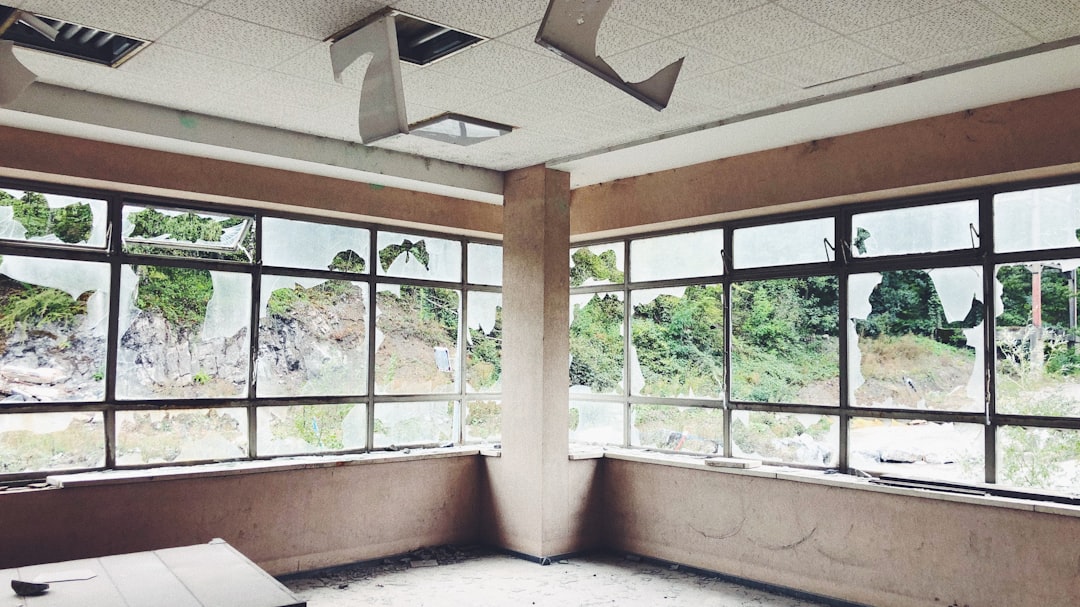
The pipe bursts on a Friday evening. By Monday the restoration crew has dropped a Phoenix dehu in the corridor, the floors feel dry, and the facility manager breathes a little easier. It looks like the problem is solved.
It isn't. The dehumidifier did its job on the air and the surface layer. But behind the plasterboard, inside the ceiling void, and in the HVAC ducting that the floodwater reached, moisture is still sitting. In a healthcare setting, that is where mold colonises quietly, and where you really do not want it.
This is the gap that catches clinic managers out: the equipment dried the room, so they assume the building is dry. The two are not the same.
Why this matters: In a clinic, mold growth in concealed spaces can go undetected for weeks and raise airborne spore counts in areas where patients and staff spend hours at a time.
Highlights
- A professional desiccant dehumidifier like the Phoenix dehu removes moisture from the air, not from inside porous building materials.
- Mold can begin colonising damp walls, ceilings and HVAC ducting within 24–48 hours of water ingress.
- A mold inspection checks concealed cavities, substrate moisture and spore levels, not just surface dryness.
- Indoor air quality (IAQ) testing confirms whether airborne spore counts are elevated before normal clinic operations resume.
- Mold removal and remediation targets the source; surface cleaning alone leaves the roots in porous material and the mold returns.
- In-house RIA-, IAQA-, IICRC- and CRI-accredited technicians, same-day and 24/7 emergency response across Singapore.
What a Phoenix dehu actually does, and what it doesn't
A Phoenix dehu is a desiccant dehumidifier built for professional restoration work. It pulls moisture out of the air efficiently, which matters in Singapore's humidity where ambient moisture slows drying times significantly. Restoration crews use them because they work: they drop the relative humidity in a room quickly, which helps surface materials dry faster.
But the machine measures and treats the air, not the structure. Once water has penetrated plasterboard, timber framing, screed, or insulation, the moisture in those materials does not simply evaporate into the room and get captured by the dehu. It migrates slowly, or it stays put.
The 24–48 hour window that matters most
Mold does not wait. In warm, humid conditions, spores already present on surfaces can begin germinating and colonising damp material within 24–48 hours of water ingress. A restoration dehumidifier set up after the initial emergency controls the room environment, but if the substrate is still wet when the equipment is removed, the mold clock is already running.
In a clinic, the risk is compounded. The building is used continuously, the HVAC runs constantly, and the ducting connects affected and unaffected areas. Mold spores in a ceiling void above a treatment room travel wherever the air goes.
Why surface dryness gives a false sense of security
The most common mistake after a water damage event is to judge the outcome by what you can see and touch. Floors feel dry. Walls feel dry. The restoration crew's moisture meter reads green on the painted surface. The dehu is collected.
Moisture meters used on a surface only read to a shallow depth. What is behind the wall, between the cavity, or inside the duct liner is a different story entirely. And in a clinic that has been running the aircon throughout, the HVAC system may have already distributed spores from any early colonisation into every connected room.
The spaces a dehumidifier cannot reach
- Wall cavities behind tiles and plasterboard, where water tracks downward from a pipe burst or ceiling leak
- Ceiling voids above suspended tile systems, which collect pooled water and stay damp long after the room below is dry
- HVAC ducting that runs through or near the affected area, where condensation and ingress moisture combine
- Screed and concrete beneath floor finishes, which absorb water slowly and release it just as slowly
- Insulation batts that wick and hold moisture and cannot be dried in place
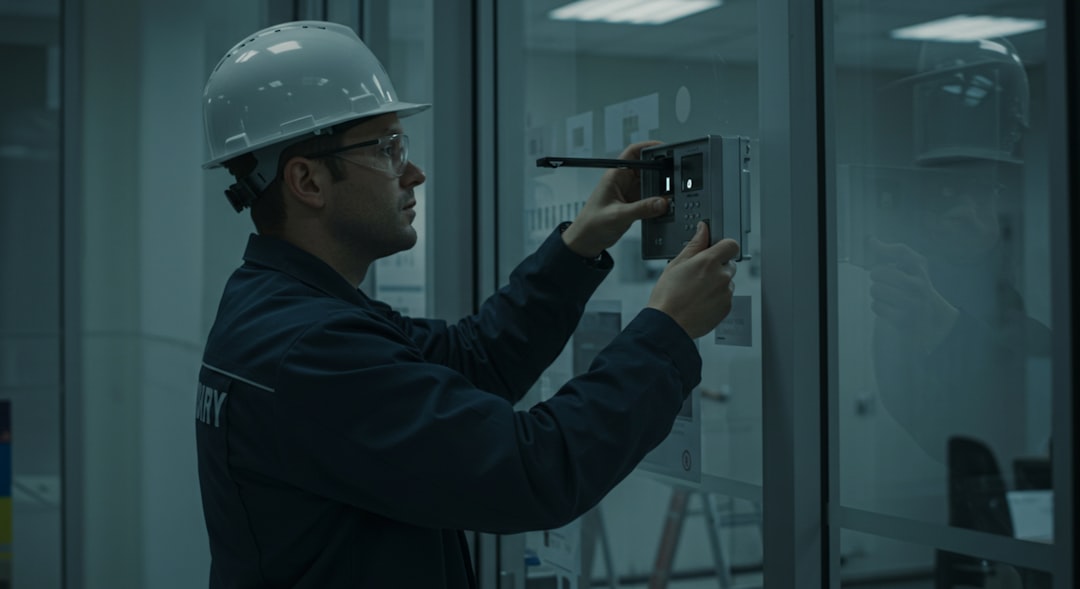
These are the places a professional mold inspection checks first, using thermal imaging, deep-read moisture meters, and air sampling, not a visual pass across the room.
What the right response after clinic water damage looks like
Running a Phoenix dehu is a sensible first step, not a complete solution. The equipment should run during and immediately after extraction, while a proper assessment of the structure is being done in parallel.
Step 1: Inspect the structure, not just the surface
A professional inspection maps moisture through the building fabric, not just across it. Thermal cameras show temperature differentials that reveal wet insulation and pooled water behind walls. Deep-read meters measure substrate moisture at multiple depths. Air sampling establishes the baseline spore count before any remediation begins, which matters when you need to confirm the building is clear before clinical operations resume.
Step 2: Remediate what the drying equipment cannot fix
Where mold has already established in porous material, drying alone will not remove it. The colony needs to be extracted at the source. Our mold removal and remediation process contains the affected area, removes mold and contaminated material, and treats the substrate with molecular-level decontamination. We do not hand this to a subcontractor: in-house technicians handle every stage, which matters in a healthcare environment where chain of custody and infection control are non-negotiable.
After remediation, a BioProtect antimicrobial coating can be applied to treated surfaces. It is EPA-registered and NSF-D2 certified, bonds to porous and non-porous surfaces, and keeps self-disinfecting for up to 90 days. In a clinic setting, the zero triclosan, zero heavy metals formulation matters as much as the protection duration.
Step 3: Confirm with IAQ testing before you reopen
You cannot declare a space safe by eye. Indoor air quality testing after remediation gives you a measured spore count, a VOC reading, and a documented baseline you can show to your clinic's management, tenants, or regulatory contacts. It also tells you if a second round of remediation is needed before staff and patients return, rather than finding out after the fact.
For clinics that have run the HVAC throughout the event, air duct and HVAC cleaning is worth including in the assessment. If contaminated air moved through the system during the drying period, the ducting itself needs to be checked and treated.
|
Stage |
What it addresses |
What it misses if skipped |
|---|---|---|
|
Extraction + Phoenix dehu |
Standing water, ambient humidity |
Moisture inside walls, ceilings, ducting |
|
Mold inspection |
Concealed moisture, early colonisation, spore count |
Nothing, this is the diagnostic step |
|
Mold remediation |
Mold at the source in porous and structural materials |
Airborne spores if HVAC is not addressed |
|
HVAC cleaning |
Spores distributed through the duct system |
Residual spores after remediation |
|
IAQ testing |
Confirms the air is clear before reopening |
Ongoing monitoring |
When you can manage it yourselves and when to call us
A small, contained water event on a non-porous surface, caught immediately and fully dried within hours, is often manageable with restoration equipment and careful monitoring. If the substrate reads dry consistently over 48–72 hours, and the area is small and non-porous, the risk is low.
But a clinic is not a warehouse. Any water ingress that reached plasterboard, timber, insulation, ceiling tiles, or HVAC components in a healthcare facility warrants a professional inspection, not just equipment rental. The cost of a mold inspection is modest relative to the disruption of discovering a mold problem six weeks later in a room where patients are being treated.
If you are not sure whether the drying was enough, that uncertainty itself is the answer. A post-drying inspection and IAQ test give you a documented, defensible result. Guessing does not.
Frequently asked questions
Is a Phoenix dehu enough to prevent mold after a water leak in a clinic?
For surface and airspace drying, yes, it is the right tool. But it cannot extract moisture from inside walls, ceiling voids, insulation or HVAC ducting. In those materials, mold can colonise within 24–48 hours even when the room air reads dry. A structural inspection and, where needed, professional remediation address what the dehumidifier cannot reach.
How do we know if mold has already started growing inside our walls?
You often cannot tell by looking. A professional mold inspection uses thermal imaging and deep-read moisture meters to locate damp behind surfaces, and air sampling to measure whether spore counts are elevated. Those results are far more reliable than surface appearance or the feel of a wall.
When is it safe to resume clinical operations after water damage and remediation?
After remediation, an IAQ test confirms whether airborne spore levels and other contaminants are within acceptable limits. We recommend testing before reopening, not after, so there is a measured baseline rather than an assumption. The exact timeline depends on the extent of damage, the materials affected and the remediation scope.
Does BioProtect prevent mold from returning after remediation?
BioProtect is an antimicrobial coating, not a moisture barrier. After professional remediation removes mold at the source, BioProtect bonds to the treated surface and keeps self-disinfecting for up to 90 days, which adds a layer of surface protection while the underlying moisture management is addressed. It does not substitute for fixing the water ingress point or controlling humidity.
Our restoration contractor said the building is dry. Do we still need a mold inspection?
A restoration contractor's moisture readings confirm whether surfaces and the ambient air reached target dryness. They do not measure what is inside the wall cavity, behind tile, or in ceiling insulation, and they typically do not assess airborne spore counts. In a clinic, a separate mold inspection and IAQ test after the drying phase gives you the full picture and the documented evidence that the space is safe to use.