
The pipe bursts at midnight. By morning the floor is dry enough to walk on, the furniture is pushed back, and it looks like the worst is over. It isn't. In Singapore's humidity, mold can begin colonizing a damp surface within 24 hours of a water event, and once it gets into plaster, plasterboard or the cavity behind a wall, wiping the surface is not enough.
The 72-hour window after flooding or a major leak is the point where the outcome is still being decided. Act fast and thoroughly, and a water event stays a water event. Miss it, and you are looking at mold remediation, possible material replacement, and an indoor environment that smells wrong for months.
This is the response sequence that actually works, in the order it needs to happen.
Why this matters: In Singapore's year-round humidity, a wet wall or saturated floor after a water event can go from damp to mold-colonized in under 24 hours, and the damage compounds every hour you wait.
Highlights
- Mold can begin growing on a damp surface within 24 hours in Singapore's tropical humidity, so the response clock starts immediately.
- The priority order is: stop the water source, remove standing water, then dry the structure before mold takes hold.
- Surface drying is not enough: plaster, plasterboard, timber and cavity walls hold moisture long after the surface feels dry to the touch.
- A professional moisture assessment identifies hidden damp that a visual check misses, and confirms when a structure is genuinely dry.
- Mold that has already grown into porous material needs professional mold removal and remediation, not surface cleaning.
Hour 0 to 6: stop the water, then remove it
The first priority is obvious but worth stating clearly: find the source and stop it. A burst pipe, a failed appliance, a blocked drain overflowing, a roof leak during a storm. Until the water source is off, nothing else you do matters.
Once the source is stopped, remove standing water as fast as possible. Wet-vacuum, mop, bucket, whatever is available. The goal is to get water off hard surfaces and out of soft materials (carpets, rugs, upholstered furniture) before it wicks deeper.
What to move and what to throw out
Move wet soft furnishings, paper, cardboard and anything porous that is saturated and cannot be dried quickly. Cardboard boxes, stacks of paper and saturated soft goods are almost impossible to dry in Singapore's humidity before mold takes hold, and they become a source of spores if left in the affected area. Hard surfaces and furniture that can be dried within hours are worth saving. Materials that are fully saturated and still wet after 24 hours usually cannot be saved.
Hour 6 to 24: dry the structure, not just the surface
This is where most people underestimate the problem. The floor feels dry. The walls look fine. But plaster absorbs water like a sponge, and the moisture content inside the wall can remain dangerously high for days after the surface dries. The same is true of timber framing, plasterboard, and the underside of flooring.
Air movement matters here. Open windows where the outside air is drier than the inside (check: if it's a humid Singapore afternoon with no breeze, outside air may actually add moisture). Fans help move surface moisture. But fans alone will not dry the inside of a wall or the cavity behind tiles.
Why dehumidification makes the difference
A dehumidifier pulls moisture out of the air and, over time, draws moisture out of wet materials into the air to be captured. In a sealed Singapore space, a well-placed dehumidifier running continuously can reduce the moisture content of plaster and plasterboard significantly faster than ventilation alone. For a single saturated room, plan for continuous dehumidification for at least 48 hours, and check the moisture readings before you stop.
As we note in our article on water damage in a clinic and why a dehumidifier alone won't stop mold from coming back, dehumidification is a critical step but it is not the whole job. If the source of moisture was not fully fixed, or if water tracked into cavities and voids, the drying process needs to go further than surface readings suggest.
Hour 24 to 72: check for hidden moisture and early mold
By 24 hours, you should have a clear picture of what dried and what did not. This is the point for a proper moisture assessment, not a visual check.
A moisture meter reads the actual moisture content of plaster, timber and other materials. A reading above the safe threshold means the material is still wet enough for mold to grow, even if the surface looks and feels dry. Thermal imaging can reveal moisture trapped behind walls or under flooring that no surface check would find. This is exactly what a professional mold inspection covers after a water event: not just looking at the wall, but measuring what is inside it.
The signs that mold has already started
By 48 to 72 hours, if drying was not fast or thorough enough, you may start to see or smell the early signs:
- A musty, earthy smell that was not there before the event
- Discoloration on walls or ceilings, often starting as faint gray or green patches
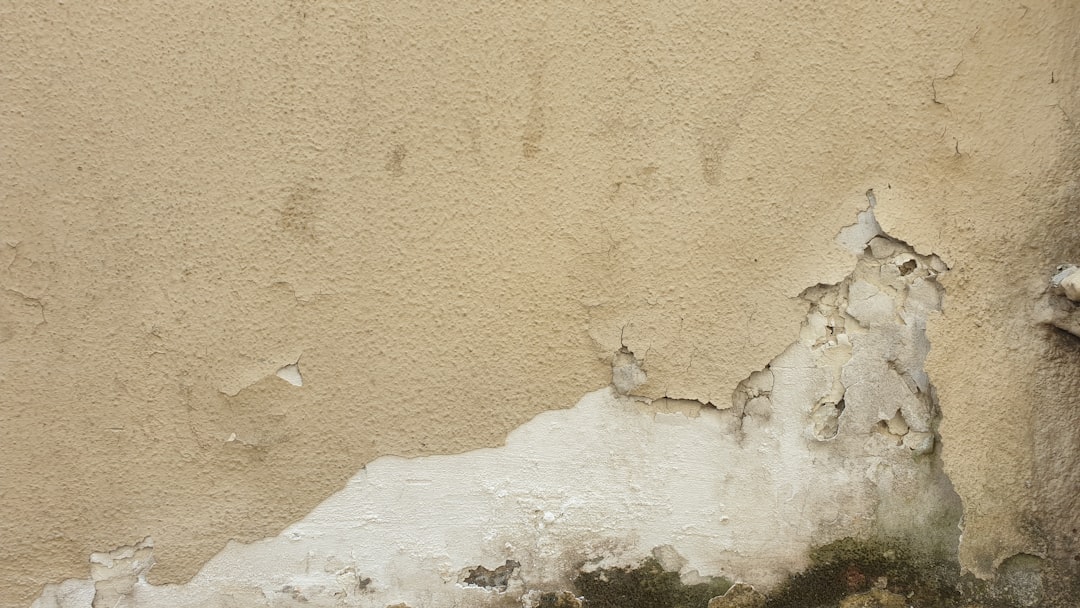
- Bubbling or peeling paint where moisture is trapped behind it
- Condensation on surfaces in a room that was previously dry
Any of these means mold has already begun to establish. At that point, the job changes from drying to mold removal and remediation, and surface cleaning will not fix it.
When you can manage it yourself and when to call a professional
A small, contained water event on a hard, non-porous surface (a minor tap overflow on a tiled bathroom floor, caught immediately) is something most people can manage: remove the water, dry the surface thoroughly, check for any residual moisture. That is a reasonable DIY response.
The calculation changes when:
- The affected area is more than roughly one square meter of porous material (plaster, plasterboard, timber, carpet on screed)
- The water was present for more than a few hours before it was found
- The event involved water from a drain, toilet or any contaminated source
- The area behind a wall, under flooring or in a ceiling void was reached by water
- There is any sign of mold already present
In those cases, a professional assessment is the right step. Not because the equipment is inaccessible, but because the measurement tools (moisture meters, thermal imaging, spore sampling) and the experience of knowing what a reading means in context make the difference between a space that is genuinely dry and one that looks dry but will grow mold in the next two weeks.
For guidance on what a professional checks that a visual inspection misses, the article on house mold inspection in Singapore covers this in detail. And if mold has already taken hold in a wall cavity or ceiling, what a mold inspection actually finds inside Singapore walls explains why the visible patch is almost never the full extent of the problem.
Related: see why Google, DBS Bank and JW Marriott trust Big Red with their indoor environments.
Frequently asked questions
How quickly can mold grow after a flood or leak in Singapore?
In Singapore's humidity, mold can begin colonizing a damp porous surface within 24 hours of a water event. Plaster, plasterboard and timber that stays wet past that window is at significant risk. The 24 to 72 hour period is when the response determines whether the outcome is a drying job or a full remediation.
Is a dehumidifier enough to stop mold after water damage?
A dehumidifier is essential but not always sufficient on its own. It removes moisture from the air and draws it out of wet materials, but it cannot reach water trapped in wall cavities or under flooring, and it cannot fix a moisture source that is still active. A moisture assessment confirms whether the structure is genuinely dry before you stop the equipment.
What if the water came from a drain or toilet overflow?
Contaminated water events (from drains, toilets or any grey or black water source) require decontamination in addition to drying. The affected surfaces carry bacteria and pathogens that simple drying does not remove. A professional virus disinfection and decontamination service is needed to bring those surfaces back to a safe state before reoccupation.
How do I know if there is mold inside my wall after a leak?
You usually cannot tell by looking. The visible surface may show no sign while the inside of the wall already has active mold growth. A professional mold inspection uses moisture meters and, where needed, thermal imaging and air sampling to measure what is inside the structure, not just what is visible from the outside.
Will the musty smell go away on its own once the space dries out?
If the space dried thoroughly within the 72-hour window and no mold established, a residual musty smell often fades over days as the air clears. If mold grew inside porous materials, the smell is coming from active mold and mold spores in the air, and it will not go away until the mold is removed at the source. A lingering smell weeks after drying is a strong indicator that remediation is needed rather than more ventilation.