
Professional mold inspection in Singapore. We locate hidden mold and its moisture source with moisture meters, thermal imaging and lab air sampling.
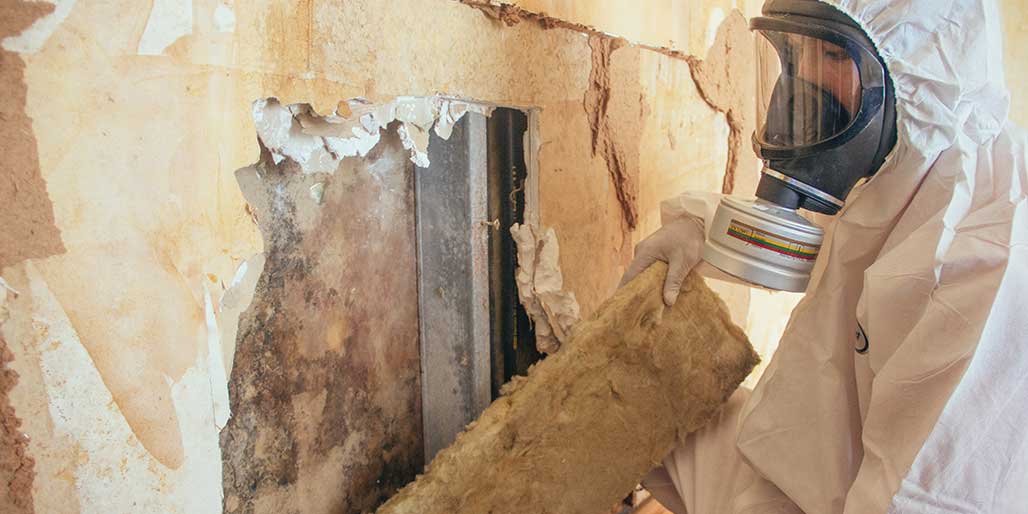
Molds are part of the natural environment. Outdoors, molds play a role in nature by breaking down dead organic matter such as fallen leaves and dead trees, but indoors, mold growth should be avoided. Molds reproduce employing tiny spores; the spores are invisible to the naked eye and float through outdoor and indoor air. Mold may begin growing indoors when mold spores land on moist surfaces. There are many types of mold, and none of them will grow without moisture.
Moulds are usually not a problem indoors unless mold spores land on moist surfaces and begin growing. Molds have the potential to cause health problems. Molds produce allergens (substances that can cause allergic reactions), irritants, and in some cases, potentially toxic substances (mycotoxins).
Inhaling or touching mold or mold spores may cause allergic reactions in sensitive individuals. Allergic responses include hay fever-type symptoms, such as sneezing, runny nose, red eyes, and skin rash (dermatitis). Allergic reactions to mold are common. They can be immediate or delayed. Molds can also cause asthma attacks in people with asthma who are allergic to mold.
Also, mold exposure can irritate the eyes, skin, nose, throat, and lungs of both mold-allergic and non-allergic people. Symptoms other than the allergic and irritant types are not commonly reported as a result of inhaling mold.
Our objective approach, based on the collection and utilization of scientific evidence, has helped us identify the root causes of a myriad of environmental problems – and has provided practical solutions for our satisfied customers. This has earned us a reputation for delivering Solutions for Healthier Environments.
An inspection diagnoses the problem: it confirms whether mold is present, how much and where, identifies the moisture source, and produces a report with a recommended scope. Removal, or remediation, is the physical work of containing, removing and treating the mold afterward. Many jobs begin with an inspection so the removal is targeted, and we offer both.
Not always. A visual and moisture survey is enough for many straightforward cases. Sampling adds value when mold may be hidden, when you need to identify the type present, when there is a dispute or a property transaction, or as clearance testing after remediation. We advise what is worth sampling rather than testing for the sake of it.
Yes. This is known as clearance or post-remediation testing. Once the visible mold is gone, air and surface sampling compared against an outdoor baseline confirms spore levels have returned to normal and that the moisture source has been resolved, so you are not left wondering whether it will come back.
We provide mold inspection island-wide from our Bedok headquarters, covering every HDB estate, condominium, landed home and commercial premises across Singapore. There is no out-of-the-way surcharge.
Because cleaning removes what you can see but not the moisture that feeds it. Mold will not grow without moisture, so if a leak, condensation or a humidity problem remains, it regrows in the same spot. A large part of our inspection is finding and documenting that moisture source so it can be fixed.
Most residential inspections take from one hour to a few hours depending on the size of the property and how much sampling is involved, and you do not need to move out. Where samples are sent to the laboratory, the results follow in the written report once the analysis is complete.
Big Red offers a complete solution for protection against unseen organisms, fighting germs at the molecular level.